


-51%
Buy With Coupon: WEBH5K6 (-30%)
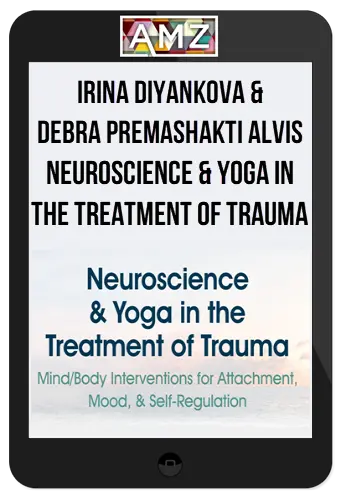
Irina Diyankova & Debra Premashakti Alvis – Neuroscience & Yoga in the Treatment of Trauma
Original price was: $48.99.$24.00Current price is: $24.00.
11 purchases
»Instant Delivery
Irina Diyankova & Debra Premashakti Alvis – Neuroscience & Yoga in the Treatment of Trauma
What you’ll learn in Neuroscience & Yoga in the Treatment of Trauma
PART 1: Neuroscience & Yoga in the Treatment of Trauma
- Section I: Neuroscience, Trauma and Yoga
- Seated Yoga Grounding Practice to Relax and Focus
- How your clients experience yoga in the body
- How to quickly apply this practice to your work with trauma survivors
- What Is Trauma?
- Psychological/emotional trauma
- Single vs. repeated vs. extended trauma
- Developmental trauma
- Complex trauma
- What Neuroscience Tells Us about the Impact of Trauma
- How and why the brain and nervous system get “stuck” when trying to process a traumatic event
- Why a survivor’s post-trauma autonomic nervous system (ANS) creates narrow “windows of tolerance”—and how yoga can help widen them
- Simple sitting and standing yoga poses and their clinical applications
- Brain structures implicated in trauma and PTSD
- How trauma changes the brain and nervous system—and how they can heal
- Section II: Intersections of Yoga and Trauma Treatment
- Yoga Poses You Can Use in Individual and Group Work with Trauma Survivors
- Mountain Pose to come into the present and release negative emotions
- Forward Fold soothes an anxious nervous system and encourages introspection
- Breath of Joy boosts mood and reduces fatigue and depression
- Moving Warrior Poses help to heal shame and increase a sense of control in the body
- Dancing Tree Pose encourages balance in the body, which can be difficult for trauma survivors because of changes in their nervous system
- And more!
- What Makes Yoga Suitable for the Treatment of Trauma
- The triune brain and how yoga calms the amygdala and sympathetic nervous system
- How yoga encourages both top-down and bottom-up regulation
- What yoga is—and is not—and how it can be applied clinically
- Debunking myths and misconceptions about yoga and who it’s for
- Research findings on yoga in the treatment of trauma
- Specific things to pay attention to when using yoga in treating a trauma survivor
- Integrating trauma-sensitive yoga in clinical work
PART 2: Bringing Trauma-Informed Yoga into Mental Health Clinical Practices
- SECTION I: Using Somatic Experiencing in Your Practice
- How Mindfulness and Yoga Can Help Your Clients
- What are “bells of mindfulness”
- How to keep you—and your clients—in the present moment
- Yoga for Trauma
- Where the research on yoga and trauma stands right now
- Why yoga as a mind-body-spirit approach is so helpful in treating trauma
- How to work with yoga teachers to help clients develop an effective practice in conjunction with clinical treatment
- Yogic Tradition and Neuropsychology
- The (short) history and purpose of yoga
- How trauma—and yoga—affects people at the cellular level
- Yoga’s effect on heart rate variability (HRV)
- How yoga improves vagal nerve tone to improve resiliency
- Embodied Psychotherapy and Somatic Experiencing
- How somatic therapy through yoga can stabilize the ANS to reduce anxiety, depression and chronic stress
- What is “shock structure” and how it relates to trauma
- How yoga can increase positive experiences in trauma survivors
- Discover strategies that discharge the nervous system and restore a resting baseline in trauma survivors
- How trauma-sensitive yoga differs from other kinds of yoga
- Breathwork to help calm rising panic
- SECTION II: Trauma-Informed Yoga in Action
- Yoga and Self-Regulation
- What the research reveals about how yoga and breathwork helps trauma survivors
- Use yogic breathwork to calm and regulate the ANS
- Examples of yogic breathing exercises you can use with your clients
- Applying Trauma-Informed Yoga Postures in Your Practice
- How to use and apply the principles and practices of trauma-informed yoga
- Chair yoga sequences that help your clients discharge trauma in their body
- How the deep relaxation of yoga nidra can help regulate the ANS
- Evaluating your clients to ensure this type of treatment is appropriate
- Suggestions for opening and closing sessions with trauma survivors
More courses from the same author: Irina Diyankova & Debra Premashakti Alvis
Related products
-56%

Original price was: $25.00.$11.00Current price is: $11.00.
Total sold: 1
-64%

»Instant Delivery
Original price was: $149.00.$53.00Current price is: $53.00.
-73%

»Instant Delivery
Original price was: $47.96.$13.00Current price is: $13.00.
-84%

»Instant Delivery
Marnie Greenberg – Pre-Program Your Life For Health, Wealth & Happiness
Original price was: $297.00.$47.00Current price is: $47.00.
-69%

»Instant Delivery
Original price was: $35.00.$11.00Current price is: $11.00.
-88%

»Instant Delivery
Original price was: $997.00.$117.00Current price is: $117.00.
-85%

»Instant Delivery
Original price was: $59.00.$9.00Current price is: $9.00.
-69%

»Instant Delivery
Original price was: $35.00.$11.00Current price is: $11.00.