

-49%
Buy With Coupon: WEBH5K6 (-30%)
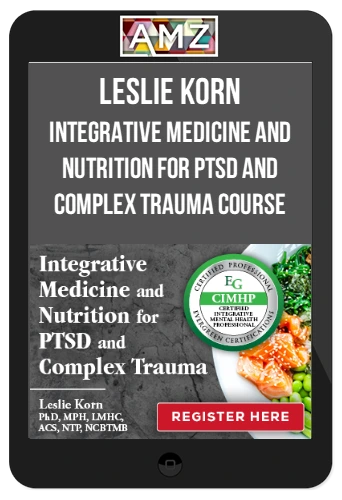
Leslie Korn – Integrative Medicine and Nutrition for PTSD and Complex Trauma Course
Original price was: $49.01.$25.00Current price is: $25.00.
15 purchases
»Instant Delivery
Leslie Korn – Integrative Medicine and Nutrition for PTSD and Complex Trauma Course
What you’ll learn in Integrative Medicine and Nutrition for PTSD and Complex Trauma Course:
Overview of Integrative Medicine and Trauma
- Introduction
- Thinking integratively as the core feature of your practice
- Apply a trauma-informed model of self-care, nutritional and integrative approaches
- The principle of substitutions and conscious self-medication
- Integrating IM with methods like Polyvagal Theory, IFS, Eye Movement, & Post trauma therapy
- Ethics & Scope of Practice
- Working independently, group practice, hospital settings
- Legal issues
- Informed consent handouts
- Disclosure document handouts
- Testing
- The Psychology of Trauma
- Acute and chronic PTSD, complex trauma, Dissociative-type, DSM-5®
- Special types of trauma: Medical, dental, military, white collar (clergy, professionals, gurus)
- ACES quiz and its relationship to physical health
- Interpersonal and power dynamics
- Identify the role for IM in attachment and self-regulation in children and adults
- Trauma, Biology & the Body
- Energy, fatigue and mitochondria
- Stress response: hypothalamic-pituitary-adrenal axis
- Dysautonomia (POTS, chronic fatigue, pain, fibromyalgia)
- Chronic illnesses, chronic pelvic pain
- Psychoneuro-immunology, autoimmune disorders
- Digestive disorders; gut and dysbiosis
- Trauma, Culture & Identity
- Demographics of trauma and ethnicity/identity
- The role of integrative medicine and nutrition in treatment across cultures
- Overcoming stigma with integrative medicine and nutrition
- LGBTQ+ & BIPOC communities
- Cultural Formulation Interview: DSM-5®
Brainbow Blueprint: Integrative and Nutritional Strategies
- Circadian & Ultradian Rhythm & Hormones
- Assessment and testing of circadian rhythm as it pertains to PTSD
- Somatic Empathy; methods of clinical entrainment in treatment
- The role of pranayama in altering brain hemispheric rhythms
- The brain and heart: heart rate variability and HeartMath technology
- The role of hormones in trauma throughout the life cycle
- Bio-individuality, Digestion & Diet
- Bio-individuality and personalized health
- Polyvagal theory, nutrition and integrative methods
- Restoration strategies for digestion from salivation to elimination
- Digestive disorders (GERD, Colitis, NAFLD, Metabolic syndrome, IBS constipation) in complex trauma and PTSD
- Integrative Assessment, Test & Evaluation
- Conducting an integrative medicine and nutritional assessment for trauma and its sequelae
- Review of ethics and scope
- Tests, assessments, and analysis
- Handouts
- Demonstration of the assessment process
- Food mood diary and analysis
- Culinary & Spice Medicine
- The role of nutrition in PTSD and complex trauma
- Techniques of intermittent fasting, ketosis and the brain
- The Brainbow diet: how food colors reflect nutrients
- Fantastic fungi; integrating medicinal mushrooms into the diet
- How culture, ethnicity and genomic testing informs optimal nutrition
- Designing psycho-culinary group therapies
- Nutritional Supplementation
- Review of nutrition research: why is it so confusing?
- Matching supplements to intake assessment
- Amino acid therapy for depression, anxiety, sleep, pain, cognition
- Neurotransmitters, precursors, and food
- Vitamins, minerals glandulars, fatty acids
- The science and clinical use of supplements to enhance or replace pharma
- Collaborating with nutrition professionals
- Herbal Medicine
- List the evidence for types of herbs and preparations for PTSD and its sequelae
- Adaptogens, nervines, anti-inflammatories, antidepressants, tonics
- Cannabis: CBD, THC, terpenes; indications, contraindications
- Essential oils: the engagement of the senses for mood and vagal health
- Drug-nutrient-herb interactions: using a database and keeping your client safe
- Detoxification and Hydrotherapy Strategies
- Hydrotherapy: the use of hot and cold water for psychoneuroimmune support
- How hot and cold alters mood, pain, headaches
- Medications
- Managing side effects & tapering off medications
- Discontinuation syndrome
- Detoxing from pharmaceutical medication
- Methods for collaborating with prescribers
- Developing a taper team
- Exercise, Yoga, Breath, and Sound
- Brain hemispheric dominance exercises
- State-based exercise applied to specific symptoms and capacities
- Balance exercises to enhance emotional flexibility
- PTSD, hyperventilation syndrome, disordered breathing, and anxiety
- Yoga for developmental trauma, attachment and self-regulation
- Somatics, Bodywork, and Energy Therapies
- Provide a framework for somatic interventions used in treating PTSD and complex trauma
- Energy medicine: neurofeedback, cranial electrical stimulation, and photobiomodulation
- Self-massage and pressure point therapies for pain digestion
- Sensory awareness and integration
- Intersection of trauma in highly sensitive individuals and sensory processing in children and adults
- Bidirectional strategies for eye/brain/mind
- Nature & Human/Animal Bond
- The clinical application of ecotherapies for children and adults
- Nature-based stress inoculation and resilience strategies
- Developing peripheral vision in nature for autonomic relaxation
- The science of canine & equine therapies
- The clinical application of touch using animal therapists
- The role of canine therapists working with victims of violence and the justice system
- Human-animal interaction, self-regulation and attachment
- Entheogens and Psychedelic Medicine
- Assessment for readiness and referral
- Medical versus traditional: what the client and clinician need to know
- Research on psychedelics: anxiety, end-of life, PTSD
- Psychedelics and the Sacred journey
- Psychedelic medicine
- Mushrooms/psilocybin/psilocin
- Peyote (Lophophora williamsii)
- Ayahuasca
- DMT
- MDMA
- LSD
- Ketamine
- Spirituality, Post-Traumatic Growth, & Transformation of Trauma
- Transpersonal psychology and thriving
- The role of stories in reclaiming self as hero
- Rituals for recovery
- Special treatment needs when the traumatic etiology derives from spiritual/religious authorities
- The Roadmap to Health
- Motivation and adherence strategies
- Shared decision making: best practice guidelines
- Self-disclosure strategies
- Developing group and telehealth support
- Motivational Interviewing and engagement
- Relapse prevention strategies
- Creating a treatment plan based on the assessment
- Affordability and access strategies
More courses from the same author: Leslie Korn
Related products
-45%

»Instant Delivery
Original price was: $20.00.$11.00Current price is: $11.00.
-82%

»Instant Delivery
Original price was: $2,150.00.$397.00Current price is: $397.00.
-70%
»Instant Delivery
Jon Kabat-Zinn – The Power of Mindfulness as Practice + Mindfulness, Healing and Transformation
Original price was: $44.00.$13.00Current price is: $13.00.
-69%
»Instant Delivery
Sixty Skills – Transference of Consciousness and the Grain of Sand
Original price was: $35.00.$11.00Current price is: $11.00.
-73%
»Instant Delivery
Original price was: $47.96.$13.00Current price is: $13.00.
-64%
»Instant Delivery
Sixty Skills – Training the Four Elements (Fire, Air, Water and Earth)
Original price was: $24.99.$9.00Current price is: $9.00.
-69%
»Instant Delivery
Sixty Skills – How to Learn Kabbalah from the Spirit World Via Evocation
Original price was: $35.00.$11.00Current price is: $11.00.
-45%
Original price was: $20.00.$11.00Current price is: $11.00.