



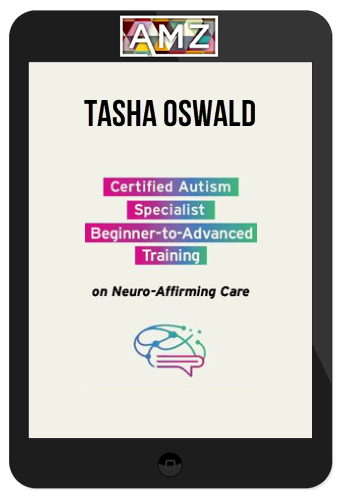
Tasha Oswald – Autism Specialist: Beginner-to-Advanced Training On Neuro-Affirming Care
Original price was: $60.00.$30.00Current price is: $30.00.
»Instant Delivery
Tasha Oswald – Autism Specialist: Beginner-to-Advanced Training On Neuro-Affirming Care
Become a fully confident, certified autism treatment specialist!
Join Dr. Tasha Oswald, PhD, one of today’s most in-demand autism specialists!
More autistic clients than ever are coming to therapy to find support as they navigate a neurotypical world that frequently misunderstands, excludes, and even traumatizes them.
Unfortunately, most therapists haven’t received the up-to-date training needed to effectively support these clients—sometimes resulting in further harm.
That’s why we’re inviting you to this state-of-the-art program, offering the most comprehensive training we’ve ever created for working with autistic adults and teens…
…including live case consultation calls where you’ll dive deep into real-world clinical scenarios — and walk away with proven strategies to better support your clients.
Join neurodivergent author, consultant, and clinician, Dr. Tasha Oswald, who will walk with you every step of the way …
… and equip you with the skills, confidence, and credentials to know exactly what to do and say when working with autistic clients — both before and after a diagnosis.
This transformative experience will certify you as an Expert Autism Clinician* and revolutionize your work with neurodivergent clients.
What you’ll learn in Autism Specialist: Beginner-to-Advanced Training On Neuro-Affirming Care
PART 1: Foundations of Autism
Module 1 – Models of Autism: Medical and Social Models
- Self-Reflection Exercise to Explore Assumptions about Autism
- Overview of Medical Model
- Overview of Social Model
- Neurodiversity Language Introduced
Module 2 – Autistic Traits: What All Therapists Need to Know
- Autism as Defined by the Medical Model (DSM & ICD)
- Autistic Experiences Not in the DSM
- Explore Case Examples
- Autism as Defined by the Autistic Community
- Neurodiversity-Affirming Language Guide
Module 3 – Providing Culturally Competent and Neurodiversity-Affirming Care
- History of the Neurodiversity Movement
- Autistic Identity and Autistic Culture
- Neurodiversity-Affirming Approach is Culturally Responsive
- Evaluating and Addressing Your Own Ableist Biases
- Alternatives to Ableist Language
Module 4 – Hot Topics in Autism
- Interoception and Alexithymia
- Autistic Burnout
- Pathological Demand Avoidance (PDA)
- Rejection Sensitive Dysphoria (RSD)
- Intersectionality (BIPOC, LGBTQIA+, Autigender, Neuroqueer)
- Autistic Masking and Camouflaging
Module 5 – Trauma and Autism
- PTSD and Autism
- Complex PTSD and Autism
- Common Sources of Trauma for Autistic Individuals
- Autism-Specific Risk Factors for Trauma
- Differential Diagnosis of Autism and PTSD
PART 2: Case Conceptualization, Screening, and Assessment
Module 6 – Clinical Considerations for Special Populations
- Late-Life Diagnosed Autistic Adults
- Women and Autism
- Highly Sensitive Person (HSP) and Autism
Module 7 – Case Conceptualization: Unraveling the Complexity
- Dispelling Misconceptions about Autism
- Variations in Autism Presentation
- Common Presenting Problems
- Case Examples
Module 8 – Autism in Context: History, Causes and Neurodevelopment
- History of Autism
- Prevalence Rates and Trends Over Time
- Genetics and Environmental Factors
- Autism Theories, Double Empathy and Monotropism
- Current Research, Risks, and Limitations
Module 9 – Autism Screening, Identification and Diagnosis: What all Therapists Need to Know
- Is My Client Autistic? Signs Therapists May Notice
- Adult Autism Screening Tools
- Autism Assessment Process and Making a Referral
- Common Co-Occurring Diagnoses and Differential Diagnosis
- Why is Autism so Often Misdiagnosed or Undiagnosed
Module 10 – After the Autism Diagnosis: Now what?
- Common Client Reactions to an Autism Diagnosis
- Common Parent and Family Reactions to an Autism Diagnosis
- Post-Assessment Support and Adjunctive Services
- Family, Community and Educational Support
- Executive Functioning Support
- Employment and Housing Support
- Sensory and Fine and Gross Motor Support
- Psychiatric, Pharmacological, and Medical Support
PART 3: Mental Health Treatment and Autism
Module 11 – Neurodiversity-Affirming Therapy: Principles and Strategies
- What Autistic Clients Need From a Therapist
- COMPASS Mnemonic for Neuro-Affirming Therapy
- Neuro-Affirming Principles and Strategies
- Applying a Neuro-Affirming Approach to Case Examples
- Overcoming Treatment Barriers
Module 12 – Treatment Planning
- How to Set Neuro-Affirming Treatment Goals
- Developing Goals for Common Presenting Problems
- When to Treat, When to Refer and How to Get Consultation
- How to Prioritize Treatment Goals
- Coordinating Care with Other Professionals
Module 13 – Interventions to Support Autistic Clients
- Neuro-Affirming Strategies for Intake and Initial Sessions with Client
- Interventions to Support Self-Awareness and Self-Acceptance
- Interventions to Explore Sensory Systems, Sensory Diets and Self-Care
- Interventions to Support Emotion Regulation and Reduce Overwhelm
- Interventions to Support Relationships and Socio-Emotional Communication
- Tips and Clinical Insights
Module 14 – Evidence-Based Approaches for Co-Occurring Mental Health Concerns
- Research on Anxiety and Depression in Autism
- Research Risks and Limitations
- Modifying CBT Protocols to Treat Anxiety and Depression in Autistic Clients
- CBT-Based Case Examples
- Emerging and Promising Treatment Approaches: IFS and DBT
More courses from the same author: Tasha Oswald
Related products

»Instant Delivery

»Instant Delivery
Total sold: 1

»Instant Delivery
Sixty Skills – Training the Four Elements (Fire, Air, Water and Earth)

»Instant Delivery

»Instant Delivery

»Instant Delivery
»Instant Delivery

»Instant Delivery