



-78%
Buy With Coupon: WEBH5K6 (-30%)
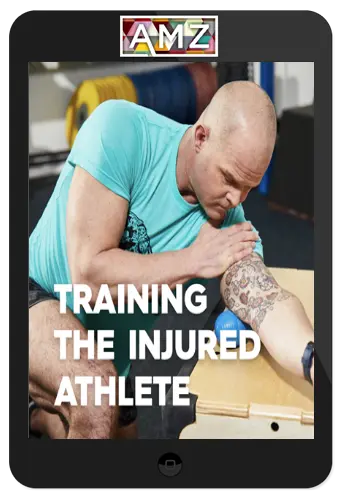
Kelly Starrett & Travis Jewett – Training The Injured Athlete
Original price was: $499.00.$111.00Current price is: $111.00.
19 purchases
»Instant Delivery
Kelly Starrett & Travis Jewett – Training The Injured Athlete
INTRODUCING: TRAINING THE INJURED ATHLETE
This self-paced online course details the exact programming methods Kelly and Travis use to restore full function in injured athletes of all types. Inside the course, you will discover…
- You may be surprised to find there are only so many ways to work with an injured athlete no matter what their ailment. The course will help you decide the right time to use each one.
- A comprehensive encyclopedia with programming guidance for more than 80 injuries and surgeries. That way, you’ll be able to work with an athlete suffering from virtually any issue imaginable.
- Real-world programming case studies that help you understand how to handle the most common injuries and surgeries you will most often encounter.
- The common vocabulary you need to collaborate on an athlete’s recovery with other medical and fitness professionals.
What you’ll learn in Training The Injured Athlete
- A. Introduction
- 1. Introduction and Course Mechanics
- 2. Pain Science
- 3. Principles of Working with People
- 4. Working Within The System: Communication
- 5. Goal Setting
- 6. Red Flags
- 7. Tissue Healing Times
- 8. Lifestyle
- 9. Well Body Training
- 10. Pain In Training
- 11. Foundational Principles
- 12. Minimum Effective Dose
- 13. Blood Flow Restriction (BFR)
- 14. Programming Overview
- B. D2R2
- 1. The D2R2 Model
- 2. NMES
- 3. Percussion & Vibration
- 4. Scraping
- 5. Voodoo Flossing
- 6. Cupping
- C. Conditioning
- 1. Conditioning Work During Recovery: Aerobic Template
- D. Shoulder
- 1. Relevant Anatomy
- 2. Common Diagnoses or Common Lumbar Spine Problems
- a. Impingement
- b. Labrum Tears/Primary Instability
- c. Rotator Cuff Tears
- d. Bicipital Tendinopathy
- e. AC Separation
- f. SC Separation
- g. Frozen Shoulder
- h. Dislocation
- E. Lumbar Spine
- 1. Relevant Anatomy
- 2. Common Diagnoses or
- Common Lumbar Spine Problems
- a. Disc
- b. Sciatica
- c. Stenosis
- d. Sensitivity: Flexion/Extension
- e. Strain
- f. SI
- g. Spondy
- h. Piriformis Syndrome
- i. Non- Specific Low Back Pain
- F. Knee
- 1. Relevant Anatomy
- 2. Common Diagnoses or
- Common Knee Problems
- a. Runner’s Knee
- b. Jumper’s Knee
- c. Patellar Tracking
- d. Meniscus Tear
- e. ACL
- f. Osgood Schlatters
- g. MCL Sprain
- h. TKR
- i. Hamstring
- G. Hip
- 1. Relevant Anatomy
- 2. Common Diagnoses or
- Common Hip Problems
- a. Impingement
- b. Torn Labrum
- c. Hip Replacement
- d. Hip Flexor Pain
- e. Groin Strain.Sports Hernia
- H. Elbow
- 1. Relevant Anatomy
- 2. Common Diagnoses or
- Common Elbow Problems
- a. Golfer’s Elbow
- b. Tennis Elbow
- c. Biceps Strain/Tear
- d. Triceps Strain/Tear
- I. Foot and Ankle
- 1. Relevant Anatomy
- 2. Common Diagnoses or
- Common Foot and Ankle Problems
- a. Plantar Fasciitis
- b. Achilles Tendinopathy
- c. Shin Splints
- d. Ankle Impingement
- e. Turf Toe
- f. Ankle Sprain
- g. Calf Strain/Tear
- J. Wrist
- 1. Relevant Anatomy
- 2. Common Diagnoses or
- Common Wrist Problems
- a. Scaphoid
- b. Wrist Pain
- c. Carpal Tunnel Syndrome
- K. Neck
- 1. Relevant Anatomy
- 2. Common Diagnoses or
- Common Neck Problems
- a. Disc
- b. Radiculopathy
- c. Stenosis
- d. Thoracic Outlet Syndrome
- e. Strain
- f. Headaches
- L. Tendinopathy Primer
- 1. Tendinopathy Primer
- a. Tendinopathy Primer
- 1. Tendinopathy Primer
- M. Wrap Up
- 1. Wrap Up
- 2. Next Steps
- N. Final Quiz
More courses from the same author: Kelly Starrett & Travis Jewett
Related products
-68%

»Instant Delivery
Original price was: $47.00.$15.00Current price is: $15.00.
-87%
»Instant Delivery
Original price was: $239.70.$32.00Current price is: $32.00.
-43%

»Instant Delivery
Original price was: $56.00.$32.00Current price is: $32.00.
-68%
»Instant Delivery
Original price was: $77.00.$25.00Current price is: $25.00.
-60%
»Instant Delivery
Original price was: $122.00.$49.00Current price is: $49.00.
-60%

»Instant Delivery
Talmadge Harper – Extreme Fitness Motivation And Results For Women
Original price was: $49.97.$19.90Current price is: $19.90.
-95%
»Instant Delivery
Original price was: $597.00.$27.00Current price is: $27.00.
Total sold: 1
-57%

»Instant Delivery
Spartan – Apex Warrior: Increase Your Physical and Mental Strength, Build Muscle Subliminal
Original price was: $34.99.$15.00Current price is: $15.00.